The realm of AI development is teeming with enthusiastic experiments, but there’s a stark reality—many cool prototypes remain shelved instead of transforming into usable, deployed tools. In a detailed survey of over 1,500 developers, 85% reported dabbling in AI creations over the past year. However, a striking 34% haven’t seen a single project make it past the embryonic stage. The reasons? They’re the usual suspects: budget constraints, murky business value, and even security concerns.
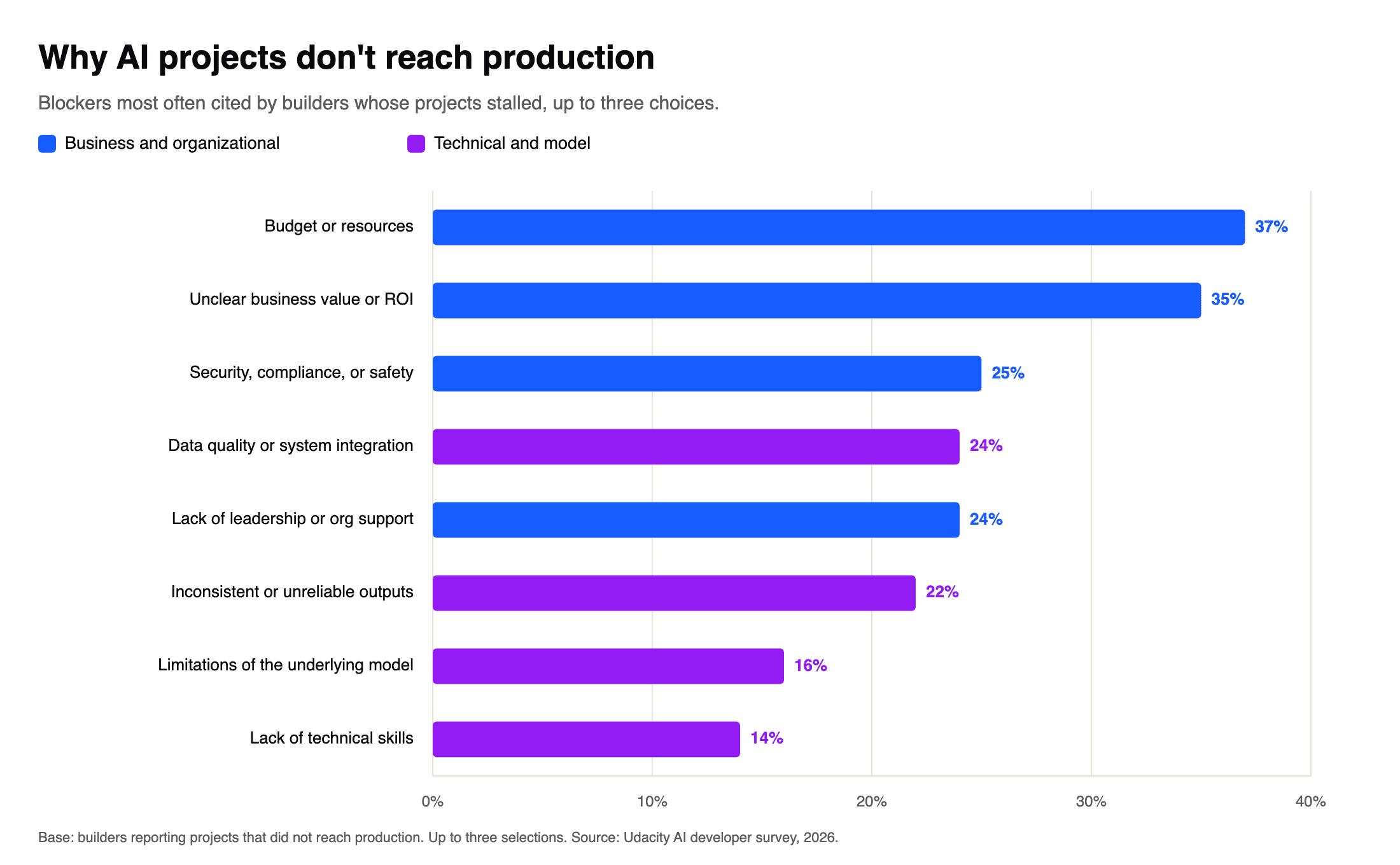
But let’s talk about the unsexy yet indispensable world of AI deployment skills. Developers overwhelmingly say evaluation, testing, compliance, and deployment skills are the holy grail for getting AI off the bench and into the real game. Building a shiny prototype? Easy. Steering through the corporate maze to actualize it? That’s where you prove your metal as an AI engineer.
What’s grabbing the attention for career climbers is just as fascinating. While engineering might lean towards “What can get the job done?”, careers are more about “What can make you indispensable?” Think integrating AI like a smooth cog in the broader machine, or orchestrating multi-agent solutions that sing in harmony.
The survey suggests a tectonic shift is coming for day-to-day coding tasks, predicting the obsolescence of hand-coding and syntax memorization. It’s not about coding prowess anymore; it’s about judgment—deciding which AI tools to deploy and how they fit into a larger system.
When it comes to showcasing skills to snag that dream job, developers know that real, inspectable work beats theoretical knowledge every day. A knack for taking AI capabilities from concept through to deployable, reliable systems is what sets the future’s in-demand engineers apart. It’s about building and displaying AI systems that visibly make sense and work safely in the wild, proving you’re more than just a prototype wizard. It’s about making the leap from idea to impact, from ‘what if’ to ‘what now.’
Read more at Udacity…