Qwen 3.8 27B is making waves as a potent local AI model, demolishing expectations with its ability to reverse-engineer a commercial app’s licensing without ever leaving the confines of a personal machine. Running on a single Lenovo ThinkStation PGX, this model dissected a sophisticated licensing scheme with surprising efficiency and accuracy, all through static analysis—never launching the app until it needed to test the bypass. What’s fascinating is that it identified and corrected its own mistakes without user intervention, proving its robust reasoning capabilities.
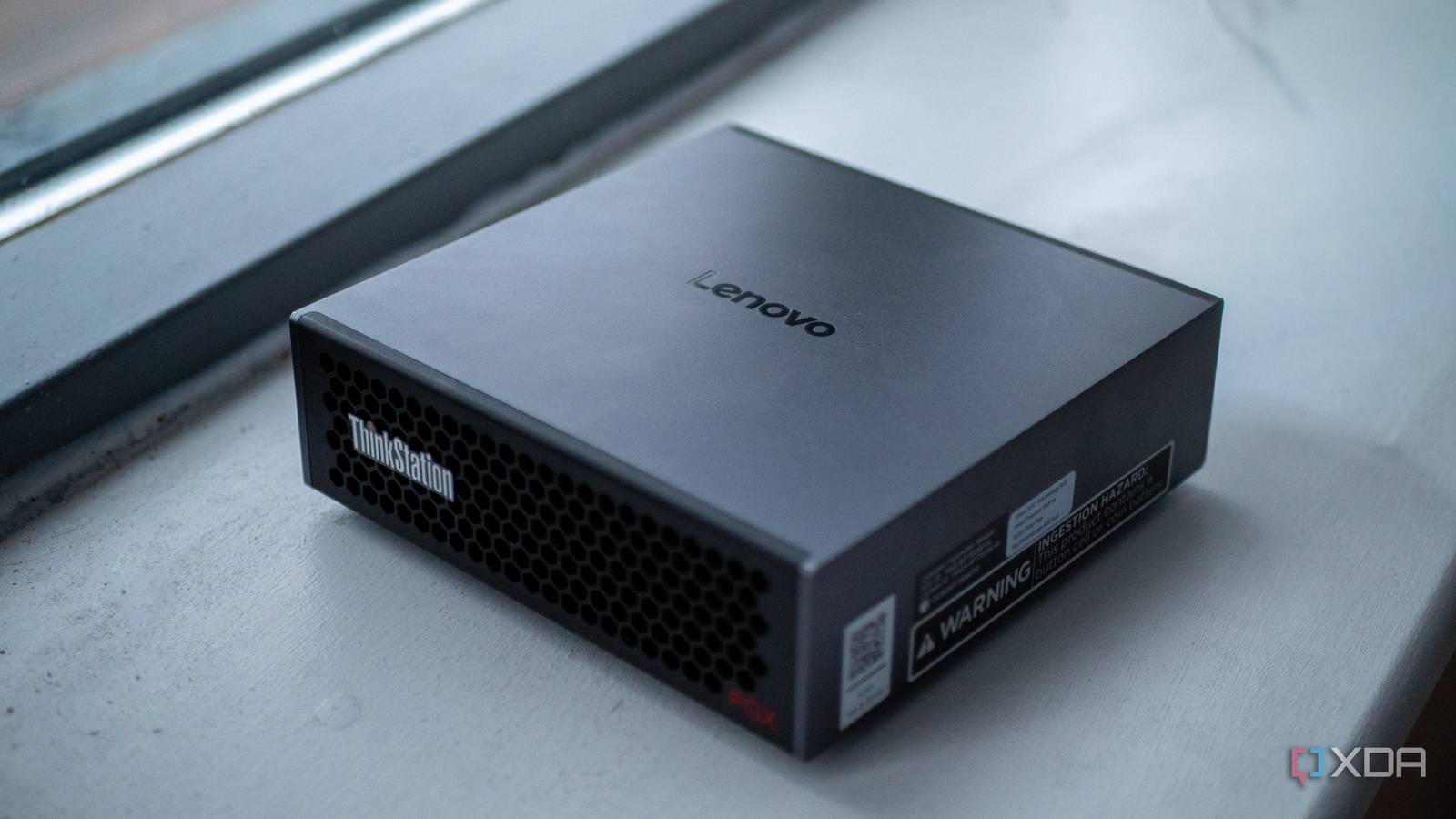
The most intriguing aspect is its privacy-centric approach. Operating entirely offline, Qwen bypasses the need for data to traverse cloud servers during analysis, making it perfect for sensitive reverse-engineering tasks. However, this autonomy also raises security concerns, as the ability to tear down such complex systems on local machines could be misused.
This experience highlights not just a technological leap for AI models but a shift in where these capabilities reside. No longer confined to the cloud, powerful tools are now available directly on consumer hardware, making them both incredibly useful and potentially concerning, depending on who wields them. In essence, Qwen 3.8 27B represents a pivotal point in the evolution of local AI models, offering both remarkable potential and new challenges.
Read more at XDA…