If you want a clean snapshot of how AI actually fits into everyday life, the MAI team’s Copilot usage report is a useful place to look. Instead of focusing on model capability or benchmarks, the team analyzed summaries from 37.5 million de-identified Copilot conversations across 2025 to see what people ask for, when they ask, and in what context. The result is less about novelty and more about routine.
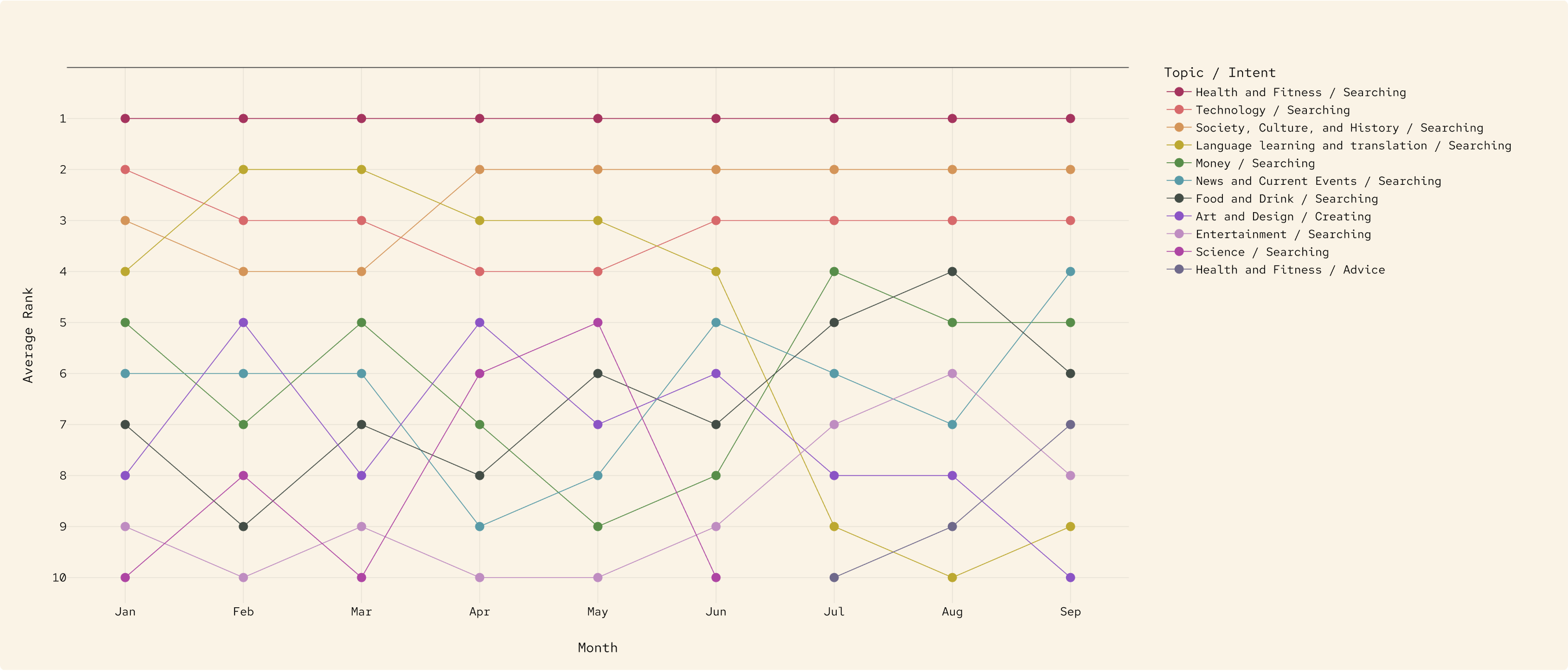
One clear merit of the work is its emphasis on rhythm rather than volume. Health dominates mobile usage throughout the year, regardless of day or season. That consistency matters. Mobile devices are personal, always on hand, and often used in moments of vulnerability or urgency. The data suggests that Copilot has quietly become part of how people think about wellness, daily routines, and self-care, not as an occasional lookup tool but as something closer to ongoing support.
Another strength is how clearly usage tracks the calendar and the work week. Programming activity rises during weekdays, while gaming takes over on weekends. That split looks less like shifting interests and more like people carrying the same assistant across different roles in their lives. During workdays, Copilot supports problem-solving and productivity. When the weekend arrives, the same interface shifts toward leisure and exploration. This kind of pattern reinforces the idea that people are not “using AI” in the abstract; they are folding it into existing schedules.
February stands out as well. The report shows a noticeable spike in conversations tied to relationships and emotionally loaded moments around Valentine’s Day. This is not about seasonal trivia searches. It reflects people turning to Copilot for reminders, guidance, and reassurance during a socially significant moment. That behavior hints at trust, or at least familiarity, in using AI when stakes feel personal.
Time of day adds another layer of context. Travel-related conversations cluster around commuting hours, when logistics and timing dominate attention. In contrast, religion and philosophy topics rise in the early morning hours. That difference is telling. When people are moving, they ask practical questions. When the day is quiet, they ask reflective ones. Copilot’s usage mirrors those mental states rather than flattening them into a single pattern.
The report also notes that some categories drift with the year itself. Language-related conversations peak earlier, while entertainment grows more steadily later on. These shifts suggest that AI usage is responsive to longer-term goals and seasonal energy, not just moment-to-moment curiosity.
Perhaps the most important trend is the steady rise in advice-seeking. Searching for information is still the dominant use, but more people are asking for guidance, especially on personal topics like relationships and life decisions. That change raises the bar for quality and care. When an assistant moves from answering questions to offering advice, expectations shift with it.
MAI’s approach deserves credit for drawing these insights from high-level topics and intent summaries rather than raw conversations. The emphasis on privacy is not just a technical detail; it shapes what kinds of conclusions can be responsibly drawn.
For anyone interested in how AI is settling into everyday life, the full report is available at
https://microsoft.ai/news/its-about-time-the-copilot-usage-report-2025/.
Taken together, the findings point to something simple but easy to overlook: Copilot is less about constant novelty and more about being present where context, timing, and human concerns already exist.